The development of printing was preceded by the use of cylinder seals in Mesopotamia developed in 3500 BC, and other related stamp seals. The earliest form of printing was woodblock printing, with existing examples from China dating to before 220 AD[1] and Egypt to the 4th century. Later developments in printing include the movable type, first developed by Bi Sheng in China,[2] and the printing press, a more efficient printing process developed by Johannes Gutenberg in the 15th century.[3]Electronic media are media that use electronics or electromechanical energy for the end-user (audience) to access the content. This is in contrast to static media (mainly print media), which today are most often created electronically, but don't require electronics to be accessed by the end-user in the printed form. The primary electronic media sources familiar to the general public are better known as video recordings, audio recordings, multimedia presentations, slide presentations, CD-ROM and online content. Most new media are in the form of digital media. However, electronic media may be in either analog or digital format.
Although the term is usually associated with content recorded on a storage medium, recordings are not required for live broadcasting and online networking.
Any equipment used in the electronic communication process (e.g. television, radio, telephone, desktop computer, game console, handheld device) may also be considered electronic media
 advertisement portal of electronic media
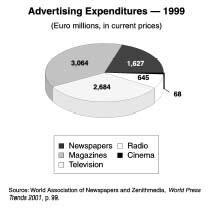 print and electronic media
 mass materials
 published newspapers
 indian job portal
 electronic media working


No comments:
Post a Comment